
Modern Waste Management Solutions: Reducing, Recycling & Rethinking Waste
Posted in :
Waste management is no longer just about disposal. It has become one of the most important steps in creating a sustainable future. Every home, business and community generates waste every single day. The real difference lies in how we handle it. Modern waste management solutions focus on reducing waste at the source, recycling materials and rethinking how we use resources.
When managed correctly, waste becomes an opportunity instead of a problem. It can lead to cleaner surroundings, better public health and even new sources of energy.
Why Waste Management Matters
A clean and organized environment reflects responsibility. Poor waste management can cause pollution, spread disease and harm natural ecosystems. It affects air, water and soil quality. For businesses, it can also lead to non-compliance with environmental regulations and higher operational costs.
Modern waste management is not just about collecting garbage. It is about managing the entire cycle of waste from generation to final treatment. This includes segregation, recycling, composting and responsible disposal. The goal is to minimize what ends up in landfills and to create a circular system where resources are reused instead of wasted.
Benefits of Effective Waste Management
A proper waste management system offers both environmental and economic benefits.
- Reduced Pollution: Clean surroundings improve community health and protect natural habitats.
- Recycling and Reuse: Materials like paper, plastic and metal are recovered and used again instead of being thrown away.
- Regulatory Compliance: Businesses stay aligned with environmental laws and avoid penalties.
- Lower Costs: Efficient waste segregation and recycling reduce disposal expenses.
- Improved Brand Image: Eco-conscious practices create a positive impression among clients and customers.
Modern Approaches to Waste Management
The modern approach goes beyond collecting and dumping waste. It focuses on smarter methods that protect the planet and create value.
Segregation at the Source:
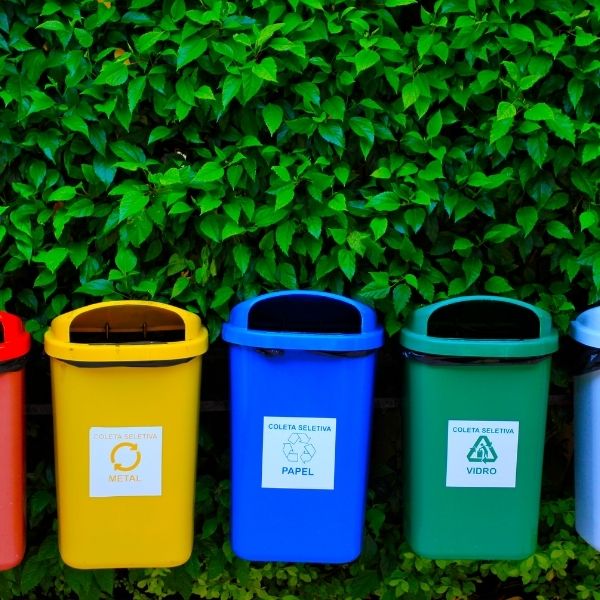
Waste segregation begins where it is created. Separating biodegradable waste from plastics, metals and hazardous materials helps in proper processing. Simple color-coded bins at offices, residential complexes or factories can make a huge difference.
Recycling Programs:
Recycling turns waste into useful products. For example, paper can be reprocessed, plastics can be melted and reused, and metals can be refined. Many organizations now partner with recycling companies to ensure that their waste materials are properly reused.
Eco-Friendly Disposal:
When waste cannot be recycled, eco-friendly disposal methods like composting or controlled incineration help reduce its environmental impact. Composting turns organic waste into nutrient-rich fertilizer that supports green landscaping.
Energy Recovery:
Some types of waste can be converted into energy through advanced technologies. Waste-to-energy plants burn non-recyclable materials to generate electricity or heat. This approach not only reduces landfill volumes but also creates renewable energy sources.
The Role of Businesses in Sustainable Waste Management
Businesses play a major role in shaping a cleaner future. Many organizations are now rethinking how they handle office waste, packaging materials and industrial leftovers. By adopting sustainable waste management policies, companies can cut costs and strengthen their corporate social responsibility initiatives.
For example, simple steps like encouraging employees to use reusable bottles, setting up recycling stations and reducing paper usage can have a major long-term impact. In large facilities, professional waste management services ensure that every stage of disposal is handled efficiently.
Professional Waste Management Services
Partnering with professional waste management companies makes the process more efficient and reliable. These experts design complete solutions based on the type and volume of waste generated. They offer services such as segregation, collection, recycling, composting and safe disposal.
Professional teams also ensure compliance with environmental regulations and maintain proper documentation. This helps businesses meet sustainability goals while avoiding operational risks. Regular audits and transparent waste reports help organizations track progress and improve their waste reduction strategies.
Building a Sustainable Future
Modern waste management is not just about keeping surroundings clean. It is about changing how we think about resources. Every item that is reused or recycled reduces the strain on our planet’s natural systems. When communities, businesses and individuals come together, even small actions can lead to massive change.
Waste management connects directly with the bigger picture of sustainability. It supports cleaner cities, safer water and a healthier environment for the next generation.
Conclusion
Waste is not something to throw away and forget. It is something to manage responsibly and learn from. Modern waste management solutions help us reduce pollution, recycle valuable materials and rethink how we use resources.
By investing in professional waste management systems, property owners and businesses can protect the environment and build a cleaner, more sustainable tomorrow. A well-managed waste system is not just a necessity anymore. It is a sign of progress, responsibility and respect for the planet we live on.